

Blog
The historical evolution of gambling from ancient rituals to modern casinos

The historical evolution of gambling from ancient rituals to modern casinos
Origins of Gambling in Ancient Civilizations
The roots of gambling can be traced back to ancient civilizations, where it was intertwined with ritualistic practices. Early evidence of dice made from animal bones has been found in archaeological sites dating back to around 3000 BC in Mesopotamia. These primitive games of chance were often associated with religious ceremonies and believed to be a means of communicating with the gods. As such, gambling was not merely a pastime but a vital aspect of spiritual and social life. Today, enthusiasts can explore various platforms, including betting sites without gamstop, enhancing their engagement with this age-old tradition.

The Egyptians also engaged in gambling, utilizing board games that had elements of chance and strategy. Hieroglyphs depict games similar to modern-day dice and betting activities, revealing that ancient Egyptians placed stakes on various outcomes, from simple dice rolls to more complex board games. Such activities served not only as entertainment but also as a social bonding mechanism among community members.
In ancient China, gambling took a more structured form, with the creation of games like Keno. This game, believed to have been developed during the Han Dynasty, involved betting on the outcome of drawn numbers and has evolved over centuries. These early forms of gambling laid the groundwork for the more organized gambling systems that would emerge in the centuries to follow, reflecting a growing societal interest in luck, chance, and fortune.
The Transition to Formalized Gambling Practices
As societies evolved, so did the practices surrounding gambling. The Greeks and Romans contributed significantly to the development of gambling as a structured activity. In Ancient Greece, various forms of gambling were commonplace, including betting on athletic events like the Olympic Games. This betting culture became a social norm, with citizens often placing wagers on their favorite competitors, thereby enhancing the competitive spirit of the games.
The Romans took gambling further by instituting laws and regulations surrounding it. They legalized various forms of betting and even established venues where citizens could gamble legally. This regulation ensured that gambling was safe for the community, although it was often viewed with suspicion and linked to moral decay. The creation of betting houses, or « tabernae, » marked a significant shift from informal gambling in private spaces to more public and organized venues.
This period also saw the invention of the first lottery systems, used primarily for raising funds for public projects and military endeavors. These early lotteries sparked interest among citizens, making it a popular form of gambling. The blend of public benefit and personal risk solidified gambling’s place within societal structures, setting a precedent for modern gambling’s role in economic development.
The Rise of Casinos and Gambling Houses in the Middle Ages
The Middle Ages marked a crucial turning point in the history of gambling, characterized by the establishment of dedicated gambling houses and the emergence of card games. As trade routes expanded, the interaction between different cultures introduced new games and betting practices. The development of playing cards in the 14th century added a new dimension to gambling, becoming a staple in both casual and high-stakes environments.
During this time, gambling was often met with skepticism from religious authorities, who viewed it as a vice. Nevertheless, the allure of gaming persisted. In Italy, the first official casino, known as the Ridotto, opened in Venice in 1638. This venue set the stage for a new era of organized gambling, where patrons could enjoy games in a controlled environment, away from the scrutiny of the church.
The concept of the casino rapidly spread throughout Europe, with cities like Monte Carlo and Baden-Baden becoming synonymous with luxury gambling experiences. By the end of the 19th century, casinos had evolved into grand establishments featuring lavish decor, entertainment, and a variety of gaming options. This transformation played a pivotal role in changing the public perception of gambling from a morally questionable activity to an accepted form of leisure and social engagement.
The Modern Era of Gambling and Regulation
The 20th century brought about dramatic changes in the gambling landscape, influenced by technological advancements and societal shifts. The introduction of electronic gaming machines in the 1930s revolutionized the industry, making gambling more accessible to a wider audience. These machines laid the groundwork for modern casinos, offering a dynamic and exciting way to gamble without the need for traditional table games.
As gambling became more mainstream, governments began to recognize its economic potential. This shift led to the legalization and regulation of gambling in various forms across many countries. Las Vegas emerged as a global gambling hub in the mid-20th century, characterized by its extravagant casinos and vibrant nightlife. The city became a symbol of the modern gambling experience, attracting millions of visitors seeking entertainment and the thrill of chance.
Moreover, advancements in technology paved the way for online gambling, which has seen exponential growth in the past two decades. This new frontier has created an unprecedented convenience for players, allowing them to gamble from the comfort of their homes. With the introduction of mobile applications and live dealer experiences, the evolution of gambling continues to reshape how society engages with games of chance.
Exploring the Cultural Impact of Modern Casinos
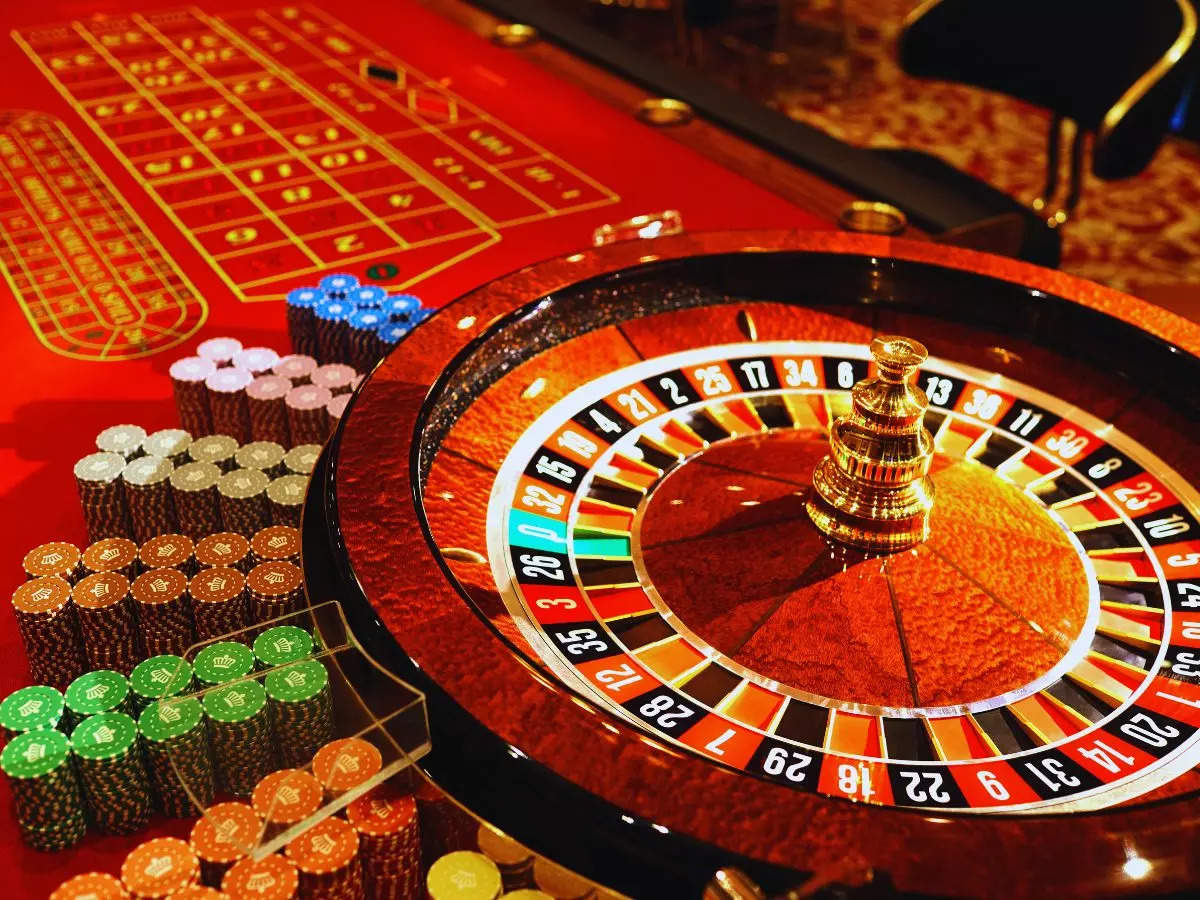
The cultural impact of modern casinos extends beyond mere entertainment; they have become integral to the economies and identities of many cities. Casinos contribute significantly to local economies through job creation, tourism, and increased tax revenues. For example, cities like Las Vegas and Atlantic City rely heavily on their gambling industries to support infrastructure, public services, and tourism initiatives.
Furthermore, casinos serve as social hubs, where people from diverse backgrounds come together to enjoy games, shows, and fine dining. The vibrant atmosphere of casinos has transformed them into multifaceted entertainment destinations, offering not just gambling but also concerts, dining experiences, and upscale shopping. This diverse offering has helped normalize gambling as a mainstream activity, appealing to a broader demographic than ever before.
Yet, this evolution has also prompted discussions surrounding gambling addiction and responsible gaming practices. Modern casinos increasingly implement measures to promote responsible gambling, recognizing their role in safeguarding customers. Initiatives like self-exclusion programs and education about the risks of gambling demonstrate an awareness of the need to balance entertainment with social responsibility.
Conclusion: The Future of Gambling
As gambling continues to evolve, the future holds exciting possibilities. The fusion of technology with traditional gambling practices promises to create more immersive experiences for players. Innovations such as virtual reality casinos and blockchain technology could redefine how games are played, further blurring the lines between reality and digital realms.
Moreover, as societal perceptions of gambling shift, ongoing discussions about regulation and ethics will shape the industry. The balance between providing entertainment and ensuring responsible gaming will be crucial for the long-term sustainability of gambling practices. As we reflect on the historical evolution of gambling, it becomes evident that it will continue to adapt and thrive in a rapidly changing world.